
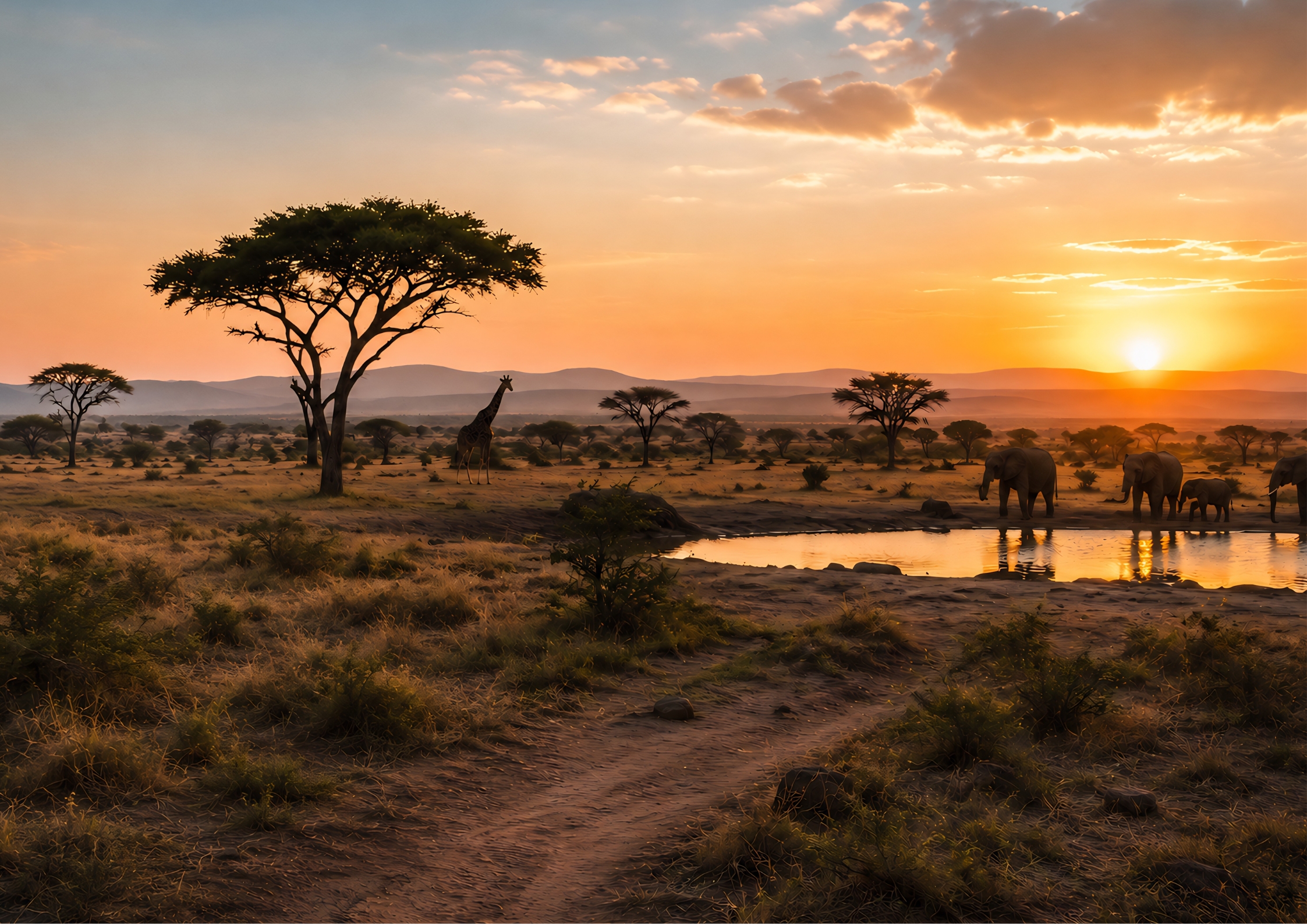
The phrase “African safari tours” still brings powerful images to mind: open vehicles, wide landscapes, golden light and unforgettable wildlife encounters. But the safari that modern travellers are searching for is changing. Major safari brands increasingly group their offers around highly specific trip types — from luxury safari, family safari, photographic safari, walking safari and private guided safaris to flexible multi-stop itineraries — which shows how broad safari demand is being broken into more personalised travel intentions.
That shift is happening for a reason. The latest travel and tourism reporting shows that travellers want more than a generic wildlife holiday. They are looking for tailored, meaningful and experience-driven trips, with stronger interest in authenticity, conservation, local culture, handcrafted storytelling and personalised planning. South African Tourism’s trend reporting describes this demand clearly, while the WTM Global Travel Report 2025 highlights growing interest in curated trips, local engagement and more individualised travel design.
For safari travellers, that means the best African safari tours no longer begin and end with a checklist of animals. They are becoming fuller, richer journeys — journeys shaped around the guest, the setting and the feeling of being in Africa rather than simply moving through it. That is exactly where a modern safari brand has the chance to stand apart.
The classic safari is still strong — but expectations are changing
Wildlife remains the emotional core of safari travel, and it always should. But many of today’s travellers are not searching for wildlife alone. The WTM Global Travel Report 2025 notes a stronger interest in authentic experiences, local interaction, storytelling and more personally curated itineraries, while South African Tourism’s recent trend reporting points to travellers seeking premium but meaningful experiences rather than standardised travel products.
That change matters because it affects what people really mean when they search for African safari tours. They may begin with a broad keyword, but their expectations quickly become more specific. They want to know whether a safari is romantic or family-friendly, whether it suits photographers, whether it can be paired with relaxation, whether it offers privacy, whether it includes walking or night-time experiences, and whether it feels thoughtfully hosted instead of packaged for volume.
In other words, a safari tour is no longer judged only by where it goes. It is judged by how it feels.
Personalisation is now one of safari’s strongest selling points
One of the clearest signals in current travel reporting is the demand for tailored travel products and experiences. South African Tourism’s market trend reporting describes tourism products as becoming more experience-led and more aligned with the preferences of different travellers, while safari-industry players continue to market flexibility and customisation as a core strength.
That is especially important for safari because the category naturally rewards personalisation. Some guests want slow days in beautiful surroundings with excellent hospitality and relaxed game viewing. Others want a trip centred on photography, where light, patience and flexible field time matter more than ticking off species quickly. Some travellers want family-friendly pacing. Others want solitude, privacy and deeper immersion. The best safari tours recognise that difference from the start.
For Infinite Safaris Africa, this is not a minor marketing detail. It is a strategic advantage. A safari that feels tailored is more likely to feel premium, memorable and worth the journey — and that is exactly what many travellers now expect from Africa travel in 2026.
The rise of specialist safari experiences
Major safari planners are increasingly breaking safari into distinct experience types: photographic safaris, walking safaris, private guided safaris, luxury safaris, family safaris, migration safaris, malaria-free safaris and more. That kind of menu is not just marketing variety. It reflects how travellers are searching and how the market is segmenting around intention rather than just destination.
One of the most interesting developments within that shift is the growing appeal of after-dark safari experiences. National Geographic and Digital Camera World have both reported on the rise of noctourism in Africa — a trend centred on night-time wildlife experiences, rare nocturnal sightings, stargazing and photographic opportunities that day-only safaris cannot offer. These reports suggest that many modern travellers want a fuller use of the safari day, not just the most obvious hours.
That matters for safari storytelling, because it expands what a guest can imagine. A safari tour is no longer only a sunrise drive and an afternoon circuit. It can include night textures, quieter species, dramatic skies, more atmospheric photography and a different emotional rhythm entirely. For a safari operator willing to tell that story well, this creates valuable space to differentiate.
Today’s safari traveller also wants atmosphere
The strongest safari brands are not selling animals alone. They are selling atmosphere, tone and memory.
That approach matches current travel data. The WTM Global Travel Report 2025 shows that travellers are increasingly attracted to handcrafted experiences and more meaningful forms of destination engagement, while broader travel reporting also points to high interest in food, culture, special occasions, adventure and immersive travel design.
On safari, that means the in-between moments matter more than ever. The meal outdoors after a morning in the bush. The conversation around a fire. The stillness at sunset. The shape of the landscape after rain. The luxury of being well looked after in a place that still feels wild. Those details are not secondary. They are increasingly part of the reason people choose one safari over another.
The best African safari tours understand this instinctively. They do not rush the guest from one activity to the next. They allow the journey to breathe. They make space for feeling, not just seeing.
South Africa is especially well suited to this new safari mindset
South Africa remains strongly positioned for travellers who want variety, value and a more layered kind of safari. South African Tourism continues to market the country through its strengths in scenery, hospitality, experience diversity and premium travel appeal, while international travel reporting points to rising interest in destinations that can offer personalised and meaningful luxury rather than generic opulence.
That works in South Africa’s favour because the country allows safari to be experienced in multiple ways. A traveller can seek wildlife, landscapes, hospitality, photographic opportunities, family travel, guided experiences and scenic variety within one broader destination framework. This makes South Africa especially appealing to the traveller who wants a safari tour that feels rounded, not narrow.
For Infinite Safaris Africa, that creates an important storytelling opportunity. The brand does not need to sell safari as a generic African idea. It can sell safari as a lived South African experience — beautifully hosted, flexible in pace, rich in atmosphere and rooted in real place.
What people really want when they search “African safari tours”
At the start of the search journey, travellers may use broad phrases. But underneath those phrases are much more human questions.
Will this safari feel personal?
Will I be looked after well?
Will I have time to enjoy where I am?
Will it feel authentic, not manufactured?
Will it give me stories worth bringing home?
Will it justify the distance, time and money it takes to get there?
That is why the best-performing safari content should not read like a checklist. It should answer those emotional questions clearly and confidently.
The strongest African safari tours in 2026 are the ones that combine wildlife with personalisation, storytelling, authenticity, atmosphere and thoughtful hosting. That is where the market is moving, and the evidence from current travel reporting supports it.
For safari brands, that means the future is not less exciting than the old idea of safari. It is more exciting. Because the modern safari tour can still deliver the wonder people dream of — but now it can do so in a way that feels more intimate, more meaningful and more memorable than ever before.
