
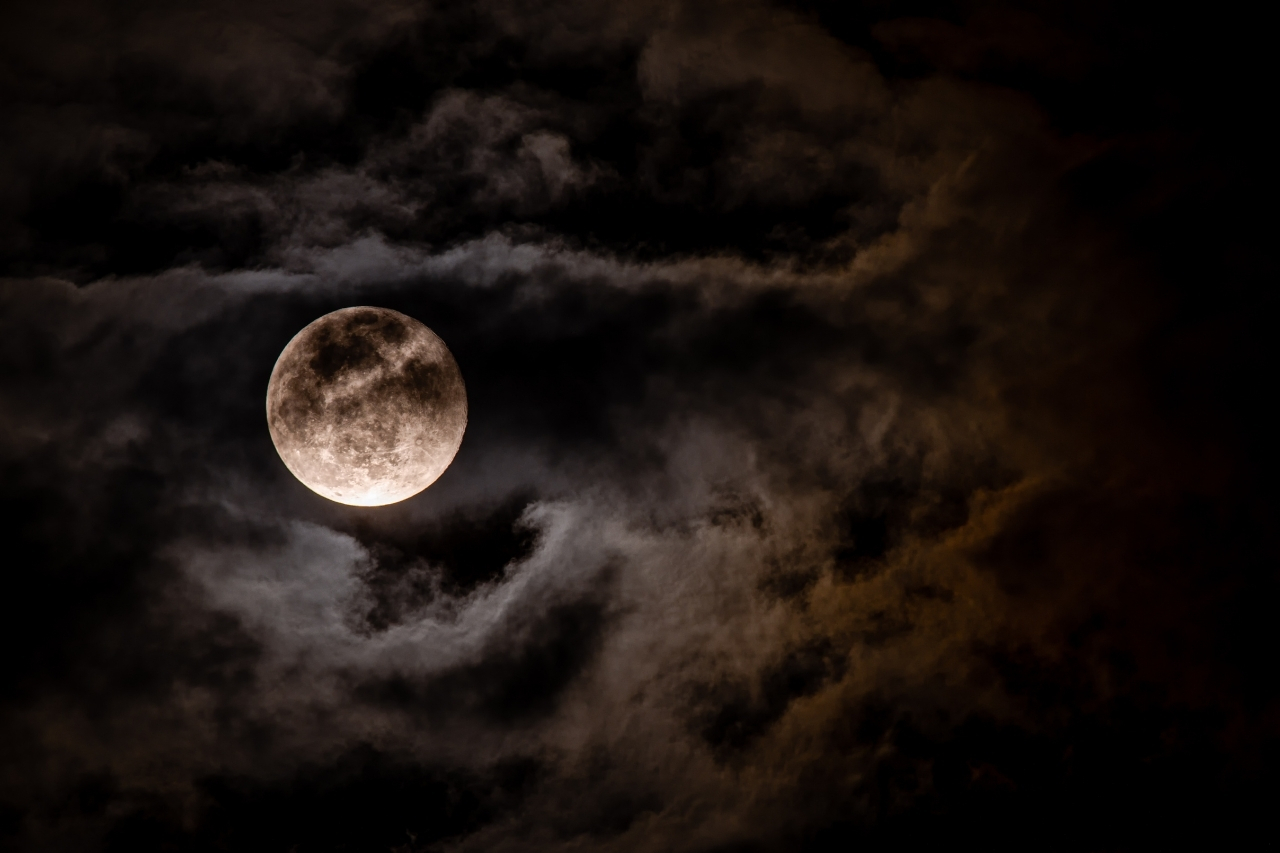
Most “when to go” guides say May–October, dry season—done. Useful, but incomplete. If you care about predator activity, night drives, bird movement at dawn, stargazing, or simply getting the most photogenic light with fewer crowds, you’ll get far better results by planning around three levers the internet rarely treats together: moon phase, seasonal weather (ENSO), and air density (altitude/temperature). Below is a 2026 field-smart playbook—equal parts science and safari craft.
1) The Moon Is a Field Tool (Not Just a Calendar)
Why moonlight matters: Large African predators are mostly nocturnal. In well-cited research across East Africa, lions hunt less successfully on bright, moonlit nights—and human–lion conflict has historically peaked in the week after full moon when nights start to darken again and people remain active outdoors. Translation for safari planners: darker nights favour predator movement and hunting success; bright moons tend to suppress it.
Moonlight also shapes prey behaviour. Multiple studies show nocturnal prey often reduce activity (“lunarphobia”) under bright moons, while responses vary by species and habitat; dense vegetation can soften moonlight effects. Expect nuanced, species-by-species differences—use the principle as a guide, not a hard rule.
Field takeaways
- Predator-focused trips (night drives, hides): aim for new moon ±3–4 nights to maximize dark hours. If you only have bright-moon dates, lean into daytime patterns and waterhole sits.
- Skittish prey / small antelope photography: slightly brighter moons can help silhouette and rim-light without blasting the scene—think moonrise/moonset angles. Evidence is mixed, so build flexibility into your shot list.
- Camp routine & safety: big cats can be active right after full moon as nights darken—another reason to keep camp discipline tight and follow guide instructions.
2) Weather Windows, 2026 Edition (ENSO Reality Check)
The big background driver of southern African seasons in 2026 is La Niña fading to ENSO-neutral early in the year. Practically, that means wetter, stormier summer tendencies ease toward normal through autumn, then you hit the reliable dry winter many travelers prefer for game density and comfort.
- South Africa seasonal signal: The dry, cool May–October window still delivers the classic safari advantages: thinner vegetation, animals clustering at water, fewer mosquitoes, and crisp mornings. That’s as true in 2026 as ever.
- Botswana & Namibia: Expect peak game concentrations and famous Okavango water channels June–October; Etosha’s waterholes are superb in the same period.
Plan like a pro: Book your safari dates first for the dry season you want, then fine-tune within your week for a darker moon slice if predators/nightlife rank high on your wishlist.
3) Night Skies: Building Astrophotography Into Your Safari
If you, your partner or the kids love the stars, fold in a new-moon block during the Southern Hemisphere core season (roughly March–October) to photograph the Milky Way’s galactic core. Desert regions (Kalahari, Namib) are outrageously good on clear winter nights.
Quick astro notes
- Best months: Winter—May to September—wins for clear, dry skies across much of Southern Africa.
- Best places: Namibia’s desert belt, the Kalahari, or any reserve with deep-sky darkness and low humidity.
- Workflow: Pair pre-dawn game drives with post-dusk Milky Way sessions on new-moon nights. Your guide can position you safely near open horizons.
4) Ballistics & Air: Why Africa Sometimes “Shoots Flatter”
International hunters often notice that bullets drop less at high-veld elevations or in hot, thin air. That isn’t magic—it’s air density. Higher altitude and higher temperature thin the air → less drag → slightly flatter trajectories and reduced wind drift for the same zero. (The effect is modest, but real.)
Field takeaways
- If you zeroed at sea level in a cold climate, then fly to 1,200–1,800 m in South Africa or 1,000 m+ in Botswana/Namibia, expect your actual POI to be a touch higher than your sea-level dope predicts at distance. Re-confirm zero on arrival.
- Morning vs afternoon: Cooler dawn air is denser; hot afternoon air is thinner—your dope can shift subtly across the day. Keep notes.
5) A Practical 2026 Timing Blueprint (Examples You Can Copy)
A. Predator-heavy (night-drive priority)
- Where: Greater Kruger private reserves (note: malaria seasonally present), Kalahari conservancies, or Botswana’s Savute/Chobe fringes.
- When: Dry season month you can travel (June–September) + choose the darkest 6–8 nights available.
- Why: Reduced vegetation, concentrated prey, and darkness advantage for cats.
B. Family safari with stargazing
- Where: Malaria-free hubs like Pilanesberg, Madikwe, or the Garden Route/Addo combo; add a Kalahari/Namib desert extension for stars.
- When: Mid-winter June–August, new-moon week for the Milky Way core.
C. Birding & water scenes (Botswana/Okavango)
- Where: Okavango/Moremi, Chobe riverfront.
- When: June–October (Delta floodwaters up; wildlife stacks at channels). Moon phase less critical—if photography at night matters, pick darker dates.
D. Etosha waterhole marathon (Namibia)
- Where: Etosha, with desert extensions for dunes and astro.
- When: July–September, dry and clear; plan one new-moon block for starscape + wildlife silhouettes.
6) FAQs (Answer-Engine Friendly)
Is the dry season still “best” in 2026?
Yes. Despite early-year La Niña influences, the classic May–October dry season remains the sweet spot for visibility and comfort in South Africa, Botswana and Namibia.
Do bright moons “kill” night drives?
No—but they change them. Expect fewer stealth opportunities for ambush predators; shift your focus to dawn/dusk behaviour, waterholes and landscape/astro work. For apex-predator action, target darker nights.
When is the Milky Way best in Southern Africa?
Roughly March–October, ideally around new moon. Winter’s dry air and long nights are perfect.
Will my rifle shoot “flatter” at altitude?
Slightly, yes. Thinner air from altitude/heat reduces drag → less drop at distance. Re-zero locally and confirm dope.
7) Build Your 2026 Safari Week in 10 Minutes
- Pick your country/region (SA, Namibia, Botswana) and dry-season month.
- Check a moon calendar; choose new-moon ±3–4 nights if predator action and star work matter.
- If you’re shooting long(er) range, plan a range check on arrival; log morning vs afternoon shifts.
- Slot one “weather flex” day for storms or wind (especially early winter or if La Niña tails off slower than expected).
Why Infinite Safaris Africa?
Because we guide and plan across multiple countries and habitats, we can stack the deck for what you want—predator intensity, big-sky astrophotography, dawn birds, or all three—by aligning region + season + moon. You tell us the outcome; we’ll thread the needle.
